


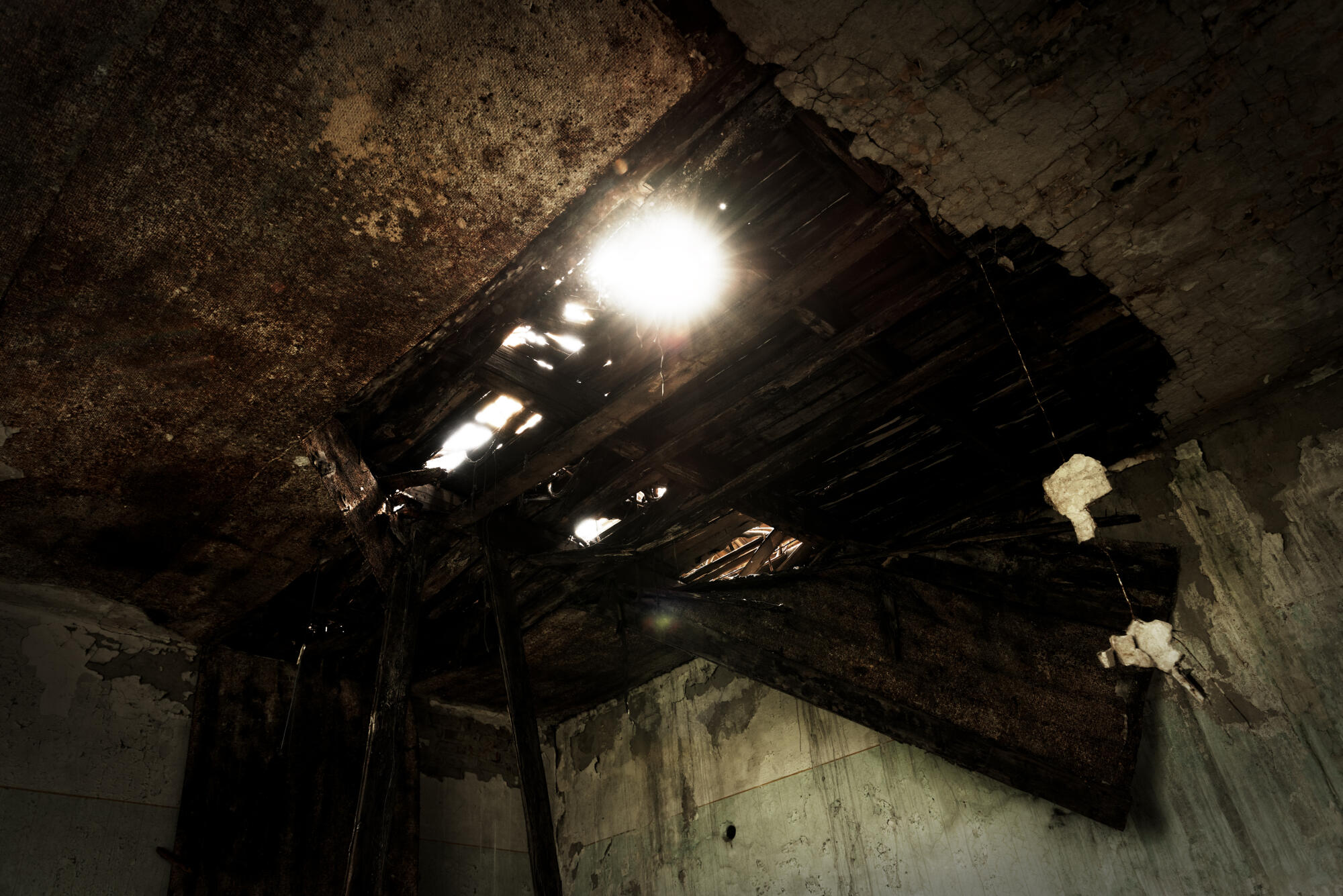
A hidden ceiling leak becomes a water-damage emergency if it hits the electrical panel. That creates the potential for electrical fires, corroded equipment, and more.
According to the EPA, the average household has leaks that waste nearly 9,300 gallons of water every year. They also add at least 10% to the total water bill.
However, leaks aren’t only wasteful: they’re also dangerous. The Joint Economic Committee estimates water damage losses to be up to $496 billion in the US.
A small leak can become a water-damage emergency if it isn’t identified and stopped quickly. Electricity conducts water, so the situation needs to be remediated before they can connect.
How Can I Detect a Hidden Water Leak?
The sooner you stop a leak, the less damage it causes. The trouble is that finding where it comes from can leave you stumped. You can use a few simple methods to get an idea of where it might be.
One of the simplest ways to determine whether you have a leak at all is the water meter test.
Turn off everything that uses water in your house. Then, see if your water meter is still moving or spinning. That’s a definite sign that you have a leak.
You can also look for signs of a leak in your house. Check for indicators such as peeling paint or sagging drywall. You can also look for a wet or sagging floor.
Don’t forget to use your other senses. Listen for dripping sounds to guide you to the source of the leak. Check for an odd or burning smell.
What Happens If Water Gets Into an Electrical Panel?
Water damages the internal components of an electrical panel. It creates an electrical short-circuit risk.
It also presents the risk of electrocution to anyone who gets near or touches the panel. This is because water is a powerful conductor of electricity,
Electrical fires are also a major issue. According to the National Fire Protection Association (NFPA), there were approximately 46,652 electrical fires between 2022 and 2024. They caused approximately $2.4 billion in property damage. Around 578 civilians lost their lives, and 1,580 were injured each year.
Signs of a Water-Damaged Electrical Panel
Even a small amount of water can damage your electrical panel. You may not always see it before it starts causing problems.
Signs to look out for include:
- Rust or corrosion
- Burn marks
- Burning smells
- Discoloration
- Strange noises
- Tripped breakers or fuses
- Sparking or buzzing ceiling fixtures
What Should You Do When Water Leaks Near an Electrical Panel Area?
The first thing to do in the event of any water-damage emergency is to turn off your main water source if you can. It keeps the problem from getting worse. It’s also important to shut off the power at the main breaker.
Document the damage. Take photographs of the area and of your water meter if it’s safe to do so. It can be useful for both insurance and remediation.
Never enter standing water because electricity can conduct through it. Don’t use or plug in any electronic devices that may have come in contact with water.
The most important breaker panel safety rule is to never attempt the repairs yourself.
Why You Need Professionals During a Water-Damage Emergency
Calling professional water damage restoration services is essential, and not just because it keeps everyone safe.
Calling them right away provides a rapid response so the issue doesn’t get worse. They’ll also identify and remove the source of the problem to prevent it from happening again. It keeps a ceiling leak behind the drywall from turning into a total ceiling-drywall collapse.
Even if you know the leak is from your ceiling, you may not know exactly where it’s coming from. Roof leak remediation services can identify problems even in the most hidden spots. They use advanced moisture detection methods such as moisture meters and thermal imaging.
Water damage restoration is a complete service. They’ll work with licensed electricians to replace or fix your wiring. They also offer mold remediation if spores have begun to grow thanks to the water damage.
Preventing Future Damage
Prevention is the best way to reduce the risk of water damage to any part of your home, including at-risk areas such as the circuit breaker.
Inspect your roof and gutters. This is essential all year round but especially after heavy rains or severe weather.
Get regular professional inspections. They can spot issues early, preventing them from becoming serious and leading to leaks.
Frequently Asked Questions
Are Breakers Ruined If They Get Wet?
In most cases, water-damaged wiring that’s been wet for any extended period of time is considered ruined.
Breakers can get the worst of it. They can lose insulation and become corroded. They’re also more likely to cause a fire because of minerals or silt in the water.
The best option is to fully replace them.
Can You Live in a House With Water Damage?
Your ability to stay in the house depends on how serious the damage is. There may not be a problem if only a small area was damaged, the water is clean, and your utilities are working.
Get out of the house in a serious water-damage emergency. One of the major factors that makes it serious enough to leave is when electrical components are affected. You should also leave if there is sewage or toxic mold present or if your home’s structural integrity is compromised.
Who to Call for a Water-Damage Emergency Involving Your Electrical Panel
A water-damage emergency becomes even more frightening if it affects your electrical panel. The situation becomes even riskier thanks to potential fires. It’s essential to call a remediation expert as soon as possible.
Palm Restore is a division of Palm Industries, Inc. We’ve been providing disaster relief since 2013.
Our team specializes in fire, water, biohazard, and mold remediation. Our mission is “bringing restoration to souls and structures with quality care and precision.”
Contact us today to see how our expert care can get you back to your life as soon as possible.

